A Comprehensive Guide to Specialist Disability Accommodation (SDA)
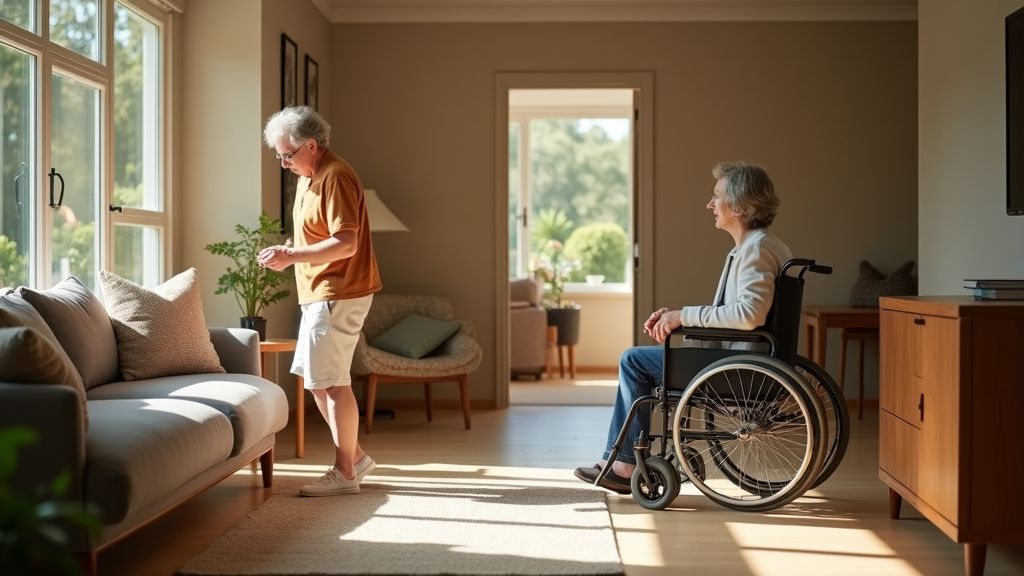
Navigating the NDIS can feel like traversing a complex maze, especially when exploring housing options like Specialist Disability Accommodation (SDA). This guide aims to clarify what SDA is, how it works within the NDIS framework, and how you can determine if it's the right choice for you or a loved one. SDA provides housing specifically designed for individuals with very high support needs, enabling them to live more independently and participate more fully in their communities.
Before diving in, if you're unsure whether you qualify, See our complete Who Is Eligible For Specialist Disability Accommodation guide. This will help you determine if pursuing SDA is a relevant option for your circumstances.
Key NDIS Considerations for SDA
Understanding the NDIS's perspective on SDA is crucial. The NDIS funds SDA with the primary goal of enabling Participants with significant functional impairment or very high support needs to live in appropriate housing that facilitates the delivery of necessary supports. It is not simply about providing a house; it's about providing a home that maximises independence, choice, and control.
1. Eligibility Criteria:
SDA funding isn't automatically included in every NDIS Plan. To be eligible, a Participant must:
- Have a permanent and significant disability.
- Require a specially designed or modified home to meet their very high support needs.
- Demonstrate that other mainstream or alternative housing options are not suitable to meet their needs. This means exploring options like home modifications to existing housing or supported independent living (SIL) in a more standard setting before considering SDA.
The NDIS will carefully assess the Participant's needs, including their functional capacity, support requirements, and housing goals. This assessment typically involves allied health professionals, such as Occupational Therapists (OTs), who provide detailed reports outlining the individual's needs and the rationale for SDA.
2. SDA Design Categories:
SDA is classified into different design categories, each catering to specific needs and levels of support:
- Improved Liveability: Designed to improve liveability features, increasing accessibility.
- Fully Accessible: Designed to incorporate a high level of physical access features for people with significant physical impairment.
- High Physical Support: Designed to provide a high level of physical support, including ceiling hoists and assistive technology.
- Robust: Designed for people with complex behavioural support needs, aiming to reduce the risk of harm to themselves or others.
The design category allocated will depend on the Participant's individual needs and the recommendations of their allied health team. Understanding these categories is essential when researching SDA properties.
3. Funding and Pricing:
The NDIS funds SDA based on a national pricing framework that considers the design category, location, and building type. The Participant does not directly pay for the SDA itself; instead, the NDIS provides funding to SDA providers. Participants are responsible for reasonable rent contributions, just like anyone living in housing. It's crucial to understand that SDA funding covers the cost of the dwelling and not the supports provided within it. The funding for supports (like personal care, meal preparation, and community access) comes from a separate part of the Participant's NDIS Plan, often under Supported Independent Living (SIL).
4. Understanding Supported Independent Living (SIL):
SIL is often intertwined with SDA. While SDA provides the physical accommodation, SIL provides the support staff who assist Participants with daily living activities within that accommodation. SDA funding and SIL funding are distinct, but they often work together to create a holistic support environment. It's essential to discuss both SDA and SIL with your NDIS planner to ensure a comprehensive support plan.
Practical Steps to Accessing SDA
Navigating the SDA process can be challenging, but following these steps can increase your chances of success:
1. Gather Comprehensive Evidence:
The key to a successful SDA application is robust evidence. This includes:
- Functional Assessment Reports: Detailed reports from OTs, physiotherapists, and other allied health professionals outlining the Participant's functional limitations and support needs.
- Housing Goal Statement: A clear statement outlining the Participant's housing goals and aspirations. This should articulate how SDA would contribute to their independence and participation in the community.
- Letters of Support: Letters from family members, Support Coordinators, and other relevant individuals who can attest to the Participant's needs and the suitability of SDA.
- Explore all other options: Document your investigation into alternate options such as home modifications.
2. Work with a Support Coordinator:
A Support Coordinator can be invaluable in navigating the SDA process. They can assist with:
- Gathering evidence and preparing reports.
- Identifying suitable SDA providers and properties.
- Facilitating communication between the Participant, their family, allied health professionals, and the NDIS.
- Negotiating service agreements with SDA providers.
3. Research SDA Providers and Properties:
Once you have a clear understanding of your SDA needs and eligibility, start researching SDA providers in your area. Consider the following:
- Provider Reputation: Look for providers with a strong track record of providing high-quality SDA services.
- Property Location: Choose a location that is convenient for the Participant, close to family, friends, and community amenities.
- Property Features: Ensure the property meets the Participant's specific needs and preferences, including accessibility features, assistive technology, and communal spaces.
- Vacancies: Enquire about current and upcoming vacancies.
4. Prepare for Your NDIS Plan Review:
The SDA application is typically part of an NDIS Plan review. Be prepared to clearly articulate the Participant's needs and the rationale for SDA. Present your evidence in a clear and concise manner. Be prepared to answer questions from the NDIS planner about the Participant's needs, housing goals, and the suitability of SDA.
5. Appeal Unfavourable Decisions:
If your SDA application is unsuccessful, you have the right to appeal the decision. The NDIS has a formal review process that allows you to challenge decisions that you believe are incorrect. Seek assistance from a Support Coordinator or an advocacy organisation to navigate the appeals process.
Conclusion
Securing SDA funding through the NDIS requires careful planning, thorough preparation, and a strong understanding of the NDIS framework. By gathering comprehensive evidence, working with a Support Coordinator, researching SDA providers, and advocating for your needs, you can increase your chances of accessing appropriate housing that supports independence, choice, and control. Remember that SDA is not just about providing a place to live; it's about creating a home that empowers Participants to live their best lives. The journey may be complex, but the potential benefits of SDA can be transformative.

