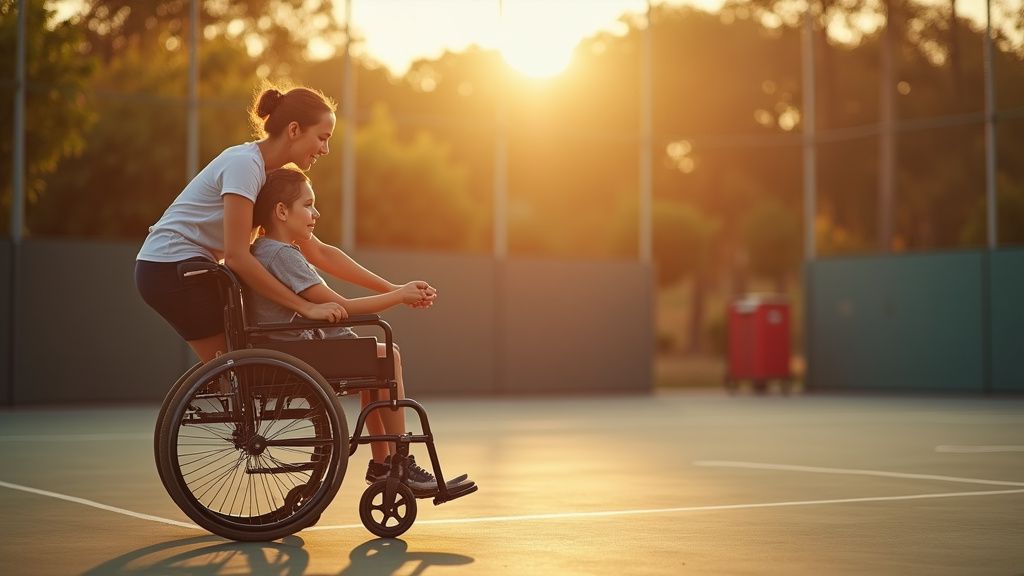
Get in the Game: Including Sports & Recreation Goals in Your NDIS Plan
Living an active and fulfilling life is important for everyone, and for NDIS Participants, engaging in mainstream sports and recreation can have profound benefits for physical health, mental wellbeing, social connection, and overall quality of life. But how do you ensure your passion for sports and recreation is adequately supported in your NDIS Plan? This blog post will guide you through the process, providing practical advice and key considerations to help you advocate for the supports you need.
See our complete NDIS Funding For Recreation And Sports guide for a more detailed explanation.
Key NDIS Considerations for Sports and Recreation
The NDIS aims to support Participants in achieving their goals, and sports and recreation activities are no exception. However, it’s crucial to understand how the NDIS assesses and funds these types of supports. Here are some key things to keep in mind:
-
Reasonable and Necessary: The NDIS funding criteria stipulate that supports must be considered "reasonable and necessary." This means the support should be related to your disability, assist you to pursue your goals, be cost-effective, and not more appropriately funded by another service (like Medicare). You need to demonstrate how participation in sports/recreation helps you achieve your NDIS goals.
-
Goal Alignment: Your sports and recreation aspirations need to be directly linked to your broader NDIS goals. For example, if your goal is to improve social skills, participating in a team sport can be a powerful and justifiable support. If your goal is to increase physical activity and manage weight, regular gym sessions or adapted sports programs could be included.
-
Evidence is Key: Provide evidence of the benefits you gain from sports and recreation. This could include reports from allied health professionals (e.g., physiotherapist, occupational therapist), personal anecdotes, and documented improvements in your physical or mental health.
-
Understanding Support Categories: NDIS funding is allocated across different support categories. Knowing which categories are most relevant for your sports and recreation goals is crucial. Commonly used categories include:
-
Capacity Building Supports:
- Increased Social and Community Participation: This is often the primary category for funding sports and recreation. It can cover the cost of joining a sports club, attending recreational activities, or engaging a support worker to assist you in participating.
- Improved Health and Wellbeing: This category can support activities that promote physical and mental health, such as gym memberships, exercise programs tailored to your disability, or therapeutic recreation programs.
- Improved Daily Living Skills: This category can be utilized when learning new skills to participate in sports and recreation activities.
-
Core Supports:
- Assistance with Social, Community and Civic Participation: This can cover the cost of a Support Worker to help you travel to and participate in activities.
-
Capital Supports:
- Assistive Technology: This category can fund specialized equipment that enables you to participate in sports and recreation, such as adapted bikes, sports wheelchairs, or communication devices for team sports.
- Home Modifications: In some cases, minor home modifications might be needed to support participation in sports, like installing ramps or accessible doorways.
-
-
Focus on Long-Term Benefits: The NDIS is designed to support long-term outcomes. Emphasize how participating in sports and recreation will contribute to your independence, skill development, and overall wellbeing over time.
Practical Steps to Include Sports & Recreation Goals
Here’s a step-by-step guide to incorporating your sports and recreation goals into your NDIS Plan:
-
Identify Your Goals: Be specific about what you want to achieve through sports and recreation. Instead of saying "I want to be more active," try "I want to join a weekly basketball team to improve my fitness and social skills."
-
Gather Evidence:
- Allied Health Reports: Consult with your physiotherapist, occupational therapist, or exercise physiologist to get a report outlining the benefits of specific sports or recreational activities for your disability.
- Personal Statements: Write a personal statement detailing how sports and recreation improve your life. Include specific examples of the positive impact these activities have on your physical health, mental wellbeing, social connections, and overall quality of life.
- Quotes from Providers: Obtain quotes from providers offering adapted sports programs, therapeutic recreation services, or assistive technology. This will help you demonstrate the cost-effectiveness of your requested supports.
-
Prepare for Your Plan Meeting:
- Review Your Current Plan: Understand your existing supports and identify any gaps that need to be addressed.
- Prepare a List of Questions: Write down any questions you have about NDIS funding for sports and recreation.
- Bring Supporting Documentation: Have all your reports, quotes, and personal statements readily available.
- Consider a Support Person: Bring a Support Coordinator, family member, or friend to your plan meeting for support and advocacy.
-
During Your Plan Meeting:
- Clearly Articulate Your Goals: Explain your sports and recreation goals and how they align with your broader NDIS goals.
- Present Your Evidence: Share your reports, quotes, and personal statements to support your request.
- Be Prepared to Explain Your Needs: Clearly articulate the specific supports you need to participate in your chosen activities, such as support workers, assistive technology, or program fees.
- Advocate for Yourself: Don't be afraid to ask questions and challenge decisions you disagree with. Remember, the NDIS is there to support your goals.
-
After Your Plan Meeting:
- Review Your Plan: Carefully review your new NDIS Plan to ensure it includes the supports you requested for sports and recreation.
- Request a Review if Necessary: If you are not satisfied with the outcome of your plan meeting, you have the right to request an internal or external review.
- Connect with Providers: Once your plan is approved, start connecting with providers who can deliver the supports you need to achieve your goals.
Conclusion
Including sports and recreation goals in your NDIS Plan is achievable with careful planning, strong advocacy, and a clear understanding of the NDIS funding criteria. By aligning your activities with your broader goals, providing solid evidence of the benefits, and understanding the relevant support categories, you can increase your chances of accessing the funding you need to live an active and fulfilling life. Remember that the NDIS is about empowering you to pursue your passions and participate fully in your community. So, get out there, get active, and enjoy the many benefits that sports and recreation have to offer!

