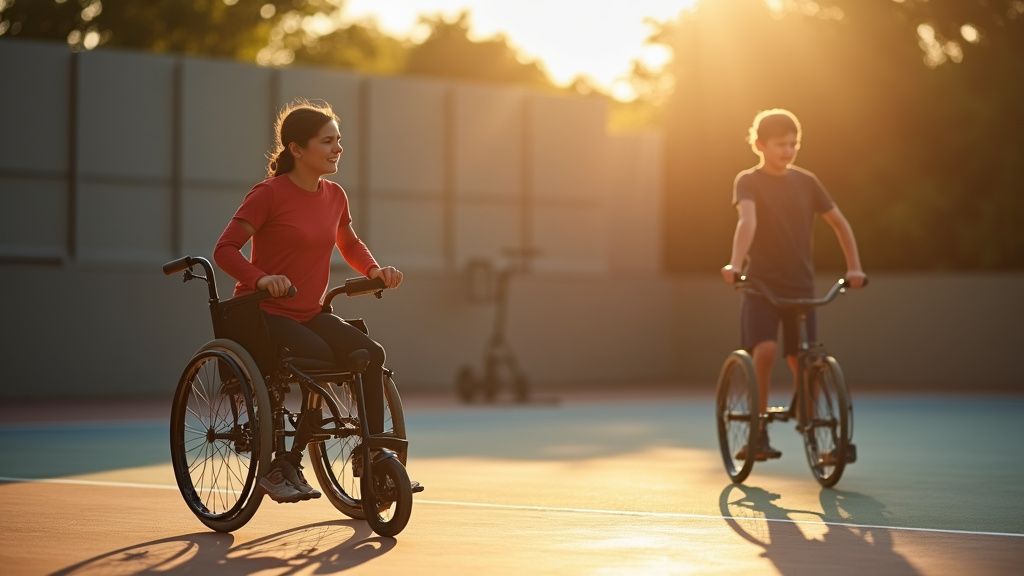
NDIS Funding for Modified Sports Equipment: What You Need to Know
Staying active and participating in sports is vital for physical and mental wellbeing, fostering social connections, and boosting confidence. For NDIS Participants, modified sports equipment can be the key to unlocking these opportunities. This blog post from DisabilityInsights explores how you can access NDIS funding for modified sports equipment, empowering you to pursue your sporting passions. See our complete NDIS Funding For Recreation And Sports guide.
The NDIS recognises that Participants may require specialised equipment to engage in sports and recreation on a level playing field. This equipment isn't just about convenience; it's about enabling participation and fostering a sense of belonging.
Key NDIS Considerations for Modified Sports Equipment:
Understanding the NDIS framework is crucial to successfully applying for NDIS Recreation Funding for modified sports equipment. Here are key areas to consider:
-
Reasonable and Necessary: This is the cornerstone of all NDIS funding decisions. The NDIS will only fund supports that are deemed reasonable and necessary. To demonstrate this, you need to clearly articulate how the requested equipment directly relates to your disability, helps you pursue your goals, and enhances your social and economic participation. Consider how the equipment reduces barriers to participation that you experience due to your disability.
-
Link to Goals: Your NDIS Plan outlines your goals. When requesting funding for modified sports equipment, it's essential to demonstrate a direct link between the equipment and achieving these goals. For example, if your goal is to improve physical fitness, explain how adapted cycling equipment will help you achieve that goal. If your goal is to increase social interaction, describe how a specialized wheelchair for basketball will enable you to join a local team and connect with others.
-
Value for Money: The NDIS seeks to fund supports that offer value for money. This doesn't necessarily mean the cheapest option, but rather the option that best meets your needs while being cost-effective. Obtain quotes from multiple suppliers to demonstrate that you've researched the market and are requesting a reasonable price. Consider the lifespan of the equipment and potential maintenance costs.
-
Mainstream and Other Supports: The NDIS is not intended to replace services or supports that are typically provided by mainstream services (like state sporting organizations) or other government schemes. Before seeking NDIS funding, explore whether any mainstream or community programs can provide assistance. For example, check if your local council offers accessible sporting programs or if disability-specific sporting organizations offer equipment loans or grants.
-
What Kind of Equipment is Covered?: Funding may be available for a wide range of modified sports equipment, including but not limited to:
- Adapted bicycles and tricycles
- Sports wheelchairs (basketball, tennis, racing etc.)
- Handcycles
- Adaptive swimming aids
- Modified sporting implements (e.g., adapted archery bows, modified bats, etc.)
- Protective gear specifically designed for Participants with disabilities
- Communication devices for team sports. This is not an exhaustive list, and the specific equipment funded will depend on your individual needs and goals. The NDIA considers each request on a case-by-case basis.
-
Support Categories: Funding for modified sports equipment typically falls under one or more of the following NDIS support categories:
- Assistive Technology: This is the most common category for modified sports equipment. It covers equipment that assists you to live more independently or participate in daily activities, including sports.
- Capacity Building Supports: This category may cover training or therapy related to using the equipment effectively. For example, you might need therapy to learn how to use an adapted handcycle safely.
- Core Supports: In some cases, core supports may cover consumables related to the equipment, such as specialized tires for a sports wheelchair.
Practical Steps to Securing NDIS Funding:
Securing NDIS funding for modified sports equipment requires careful planning and preparation. Here are practical steps you can take to increase your chances of success:
-
Identify Your Needs and Goals: Clearly define the specific sports or activities you want to participate in and the barriers you face due to your disability. Articulate how modified sports equipment will help you overcome these barriers and achieve your goals. For example: "I want to play wheelchair basketball to improve my cardiovascular fitness and connect with other people in my community."
-
Gather Supporting Evidence: Collect evidence to support your request. This may include:
- Reports from Allied Health Professionals: Obtain reports from therapists (e.g., occupational therapists, physiotherapists) who can assess your needs and recommend specific equipment. Their reports should clearly explain how the equipment will benefit you and address any safety concerns.
- Quotes from Equipment Suppliers: Obtain quotes from reputable suppliers of modified sports equipment. Ensure the quotes include detailed specifications of the equipment and any associated costs (e.g., delivery, installation).
- Letters of Support: Obtain letters of support from coaches, support workers, or other individuals who can attest to your interest in sports and the potential benefits of the equipment.
-
Trial the Equipment (If Possible): If possible, trial the equipment before requesting funding. This will allow you to ensure that it meets your needs and is suitable for your abilities. Some suppliers offer trial periods or demonstrations. Keep a record of your experiences during the trial, noting any challenges or benefits.
-
Include the Request in Your NDIS Plan: When preparing for your NDIS Plan review, clearly articulate your need for modified sports equipment and include it in your list of requested supports. Provide all supporting evidence to your planner.
-
Self-Management vs. Plan Management: Consider how you want to manage your NDIS funding. If you choose to self-manage, you'll have more control over purchasing equipment, but you'll also be responsible for managing the funds and ensuring compliance with NDIS rules. If you choose plan management, a registered plan manager can assist you with these tasks.
-
Appeal if Necessary: If your request for funding is denied, you have the right to appeal the decision. The NDIS appeals process can be complex, so consider seeking assistance from an NDIS advocate or lawyer. Document everything.
-
Explore Other Funding Options: Consider other potential funding sources, such as grants from sporting organizations or philanthropic foundations. These sources may be able to supplement NDIS funding or cover costs that are not eligible for NDIS support.
Conclusion:
Accessing NDIS funding for modified sports equipment can significantly enhance the quality of life for Participants, enabling them to participate in sports and recreation on a more equal footing. By understanding the NDIS framework, gathering strong supporting evidence, and working closely with your NDIS planner, you can increase your chances of securing the funding you need to pursue your sporting goals. Remember, participation in sports is not just about physical activity; it's about social inclusion, personal growth, and a sense of belonging. DisabilityInsights is here to help you navigate the NDIS and unlock your full potential.

