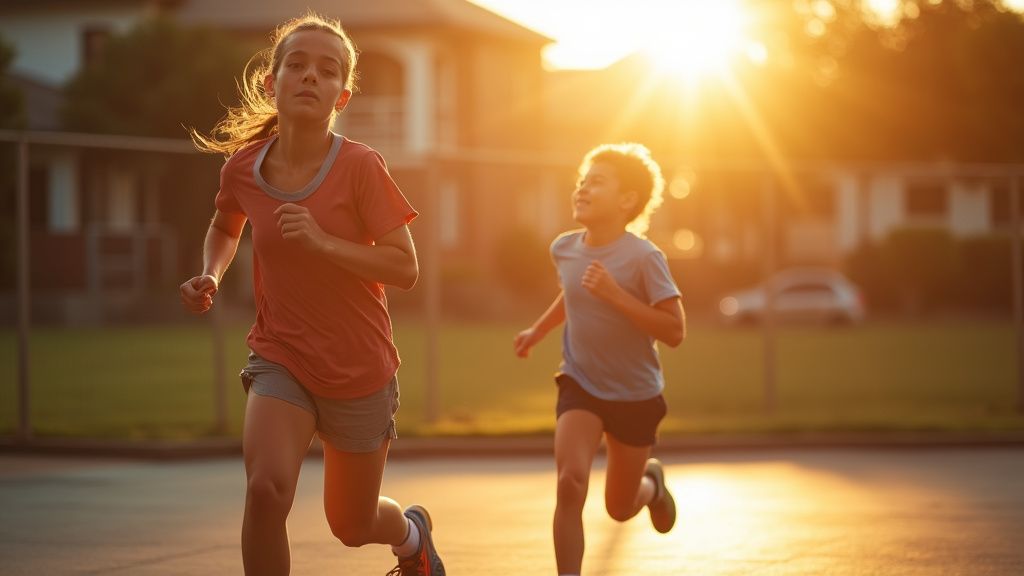
Unleash Your Potential: How Sports and Recreation Can Transform Lives for NDIS Participants
For many NDIS Participants, engaging in sports and recreation is more than just a fun pastime. It's a powerful tool that can significantly enhance their overall well-being, foster independence, and create meaningful connections within their communities. At DisabilityInsights, we believe everyone deserves the opportunity to experience the joy and benefits that come from an active lifestyle. See our complete NDIS Funding For Recreation And Sports guide for a deeper dive into accessing funding.
This blog post explores the holistic benefits of sports and recreation for NDIS Participants, outlining how these activities can be strategically integrated into your NDIS Plan and how to make the most of available supports.
The Multifaceted Benefits: A Holistic Approach
The advantages of participating in sports and recreation extend far beyond physical fitness. They encompass emotional, social, and cognitive improvements, contributing to a richer, more fulfilling life.
-
Physical Health and Well-being: This is perhaps the most obvious benefit. Engaging in physical activity can improve cardiovascular health, muscle strength, bone density, and overall physical function. This can lead to increased energy levels, better sleep, and a reduced risk of chronic diseases. Research indicates that even moderate physical activity can have a profound impact on long-term health outcomes. For NDIS Participants with mobility challenges, adaptive sports and equipment can make physical activity accessible and enjoyable.
-
Mental and Emotional Well-being: Sport and recreation can act as powerful stress relievers and mood boosters. Exercise releases endorphins, which have mood-elevating effects. Participating in a team or group activity can also combat feelings of loneliness and isolation, fostering a sense of belonging and connection. Furthermore, achieving goals in sports and recreation can boost self-esteem and confidence. Studies have demonstrated a clear link between physical activity and reduced symptoms of anxiety and depression.
-
Social Inclusion and Community Engagement: Sports and recreation provide opportunities to interact with others, build friendships, and develop social skills. Joining a local sports club, participating in community events, or attending fitness classes can create a sense of belonging and integration. This is especially important for NDIS Participants who may face barriers to social participation.
-
Cognitive Function and Skill Development: Engaging in sports and recreation can improve cognitive function, including memory, attention, and problem-solving skills. Many activities require strategic thinking, coordination, and quick decision-making, which can enhance cognitive abilities. For example, team sports can foster teamwork, communication, and leadership skills.
-
Increased Independence and Self-Determination: By participating in sports and recreation, NDIS Participants can develop a greater sense of independence and control over their lives. Learning new skills, setting goals, and achieving them can empower individuals and build self-confidence. This can lead to increased self-determination and a greater ability to make choices about their own lives.
Key NDIS Considerations: Navigating Your Plan
Integrating sports and recreation into your NDIS Plan requires careful consideration of your individual needs, goals, and the supports required to participate.
-
Identifying Your Goals: The first step is to identify your goals related to sports and recreation. What activities are you interested in pursuing? What outcomes do you hope to achieve? Do you want to improve your physical fitness, make new friends, learn a new skill, or simply have fun? Be specific and realistic in setting your goals.
-
Linking Activities to Your NDIS Plan: Ensure that your chosen activities align with your NDIS goals. For example, if your goal is to improve your social skills, you might consider joining a team sport. If your goal is to improve your physical fitness, you might consider joining a gym or participating in a swimming program. Clearly articulate how these activities will help you achieve your overall NDIS goals.
-
Understanding Relevant NDIS Support Categories: Funding for sports and recreation may fall under various NDIS support categories, including:
- Capacity Building Supports: Specifically, Increased Social and Community Participation. This can fund activities that help you participate in community events, join social groups, and build relationships.
- Core Supports: These supports can help you with daily activities, including accessing and participating in recreational activities. This might include assistance with transport, personal care, or support worker assistance during activities.
- Capital Supports: Assistive technology and equipment needed to participate in sports and recreation, such as specialized wheelchairs, adaptive sports equipment, or communication devices, may be funded under this category.
-
Advocating for Funding During Plan Reviews: Be prepared to advocate for funding for sports and recreation during your NDIS Plan reviews. Provide evidence of the benefits you have experienced, the progress you have made, and the ongoing supports you require. It is helpful to obtain supporting documentation from your doctor, therapist, or coach.
Practical Steps to Get Started
Taking the first step can sometimes be daunting. Here are some practical tips to help NDIS Participants get started with sports and recreation:
- Explore Your Options: Research different sports and recreational activities available in your community. Look for inclusive programs specifically designed for people with disabilities. Contact local sports clubs, disability organizations, and community centers to learn about their offerings.
- Talk to Your Support Coordinator or Planner: Discuss your goals and interests with your Support Coordinator or NDIS Planner. They can help you identify potential funding sources and connect you with appropriate supports and services.
- Trial Activities: Before committing to a particular activity, consider trialing it first. Many organizations offer introductory sessions or free trials. This will allow you to see if the activity is a good fit for you.
- Consider Support Worker Assistance: If you require assistance to participate in sports and recreation, consider hiring a support worker. A support worker can provide assistance with transport, personal care, communication, or general support during activities. Be clear in your NDIS plan what duties you expect them to perform.
- Utilize Assistive Technology: Explore available assistive technology and equipment that can help you participate in sports and recreation. This may include specialized wheelchairs, adaptive sports equipment, communication devices, or other assistive devices.
Conclusion: Empowering Lives Through Activity
Sports and recreation offer a wealth of benefits for NDIS Participants, contributing to improved physical, mental, social, and cognitive well-being. By strategically integrating these activities into your NDIS Plan and utilizing available supports, you can unlock your potential, build independence, and live a more fulfilling life. DisabilityInsights is committed to empowering NDIS Participants to access the opportunities they deserve. Remember to continuously advocate for your needs and embrace the transformative power of an active lifestyle.

