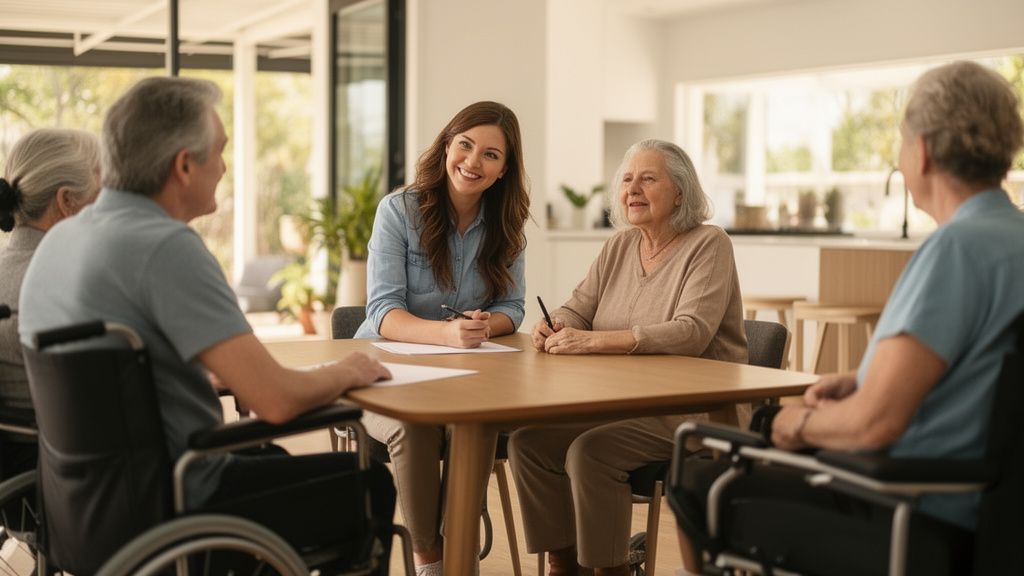
What is Supported Decision-Making? Principles and Benefits for People with Disability
Supported decision-making (SDM) represents a fundamental shift in how we support people with disability. Rather than removing decision-making authority from individuals, SDM strengthens their capacity to make informed decisions by providing appropriate support. This article explores the principles, benefits, and practical application of SDM for Australian NDIS participants.
Core Principles
Person-Centered Support
SDM focuses entirely on what works for the individual. Support is tailored to your unique communication style, learning preferences, and decision-making needs. There's no one-size-fits-all approach—your support structure is built around you.
Respect for Autonomy
You retain full legal authority to make decisions. Supporters advise, but you decide. This fundamental respect for your right to self-determination underpins all SDM relationships.
Presumption of Capacity
Everyone is assumed capable of making decisions with appropriate support. The default isn't guardianship but finding the support that enables you to decide.
Information Access
You have the right to information in formats you understand. Supporters explain options, consequences, and relevant considerations until you're ready to decide.
Reversibility
Decisions made through SDM can be changed. You're not locked into choices; you can revisit and modify decisions as circumstances change.
How SDM Benefits People with Disability
Maintaining Dignity and Respect
Making your own decisions with support preserves your dignity in ways guardianship cannot. You exercise choice over your life direction while accessing necessary help.
Developing Decision-Making Skills
With practice and support, many people strengthen their decision-making abilities. Supporters gradually reduce assistance as confidence and competence grow.
Building Social Connections
Your support network includes people who know and care about you. These relationships strengthen through collaborative decision-making, enhancing social inclusion.
Better Life Outcomes
Research shows people who make their own decisions (with support) report higher life satisfaction, greater engagement in activities, and improved mental health compared to those under guardianship.
Legal Autonomy
Unlike guardianship, SDM doesn't transfer legal decision-making authority to others. You remain legally responsible for decisions, which means you're treated as an adult in the eyes of the law.
Communication Support in SDM
Understanding Your Communication Style
Supporters learn how you best communicate:
- Verbal, visual, tactile, or alternative communication methods
- Your optimal time of day and environment
- Your preferred pace and communication frequency
- How you express preferences and concerns
- Your communication strengths and needs
Explaining Complex Information
Supporters help you understand information by:
- Using your preferred communication method
- Breaking complex concepts into manageable pieces
- Using concrete examples relevant to your life
- Checking understanding frequently
- Allowing time to process information
Making Your Views Known
Sometimes you need help expressing your preferences to others. Supporters can:
- Help you practice expressing your decision
- Communicate your preferences to relevant people
- Advocate for your position
- Represent your interests in discussions
SDM for Different Decision Types
Daily Decisions
Many daily decisions require minimal support:
- What to wear
- What to eat
- When to sleep
- Entertainment choices
- Social activities
These typically involve one or two trusted people and develop through familiarity.
Important Life Decisions
Major decisions benefit from more structured support:
- Where to live
- Employment choices
- Educational paths
- Healthcare decisions
- Relationship commitments
These decisions might involve formal planning, advice from professionals, and documented decision-making processes.
Financial Decisions
Money decisions often need specialized support:
- NDIS budget allocation
- Bank account management
- Major purchases
- Investment decisions
- Tax matters
Financial literacy support helps you understand money decisions and build financial independence.
Building Your Support Network
Identifying Supporters
Effective supporters typically share these qualities:
- Understanding of your values and preferences
- Trustworthiness and reliability
- Ability to communicate with you
- Willingness to invest time
- Respect for your right to decide
- Absence of conflicting interests
Natural vs. Formal Supporters
Natural Supporters: Family, friends, and community connections who know and care about you
Formal Supporters: NDIS-funded service providers, advocates, and professionals
Most people benefit from a mix of both.
Organizing Your Support Team
Create clarity about:
- Who supports which decisions
- How supporters communicate with each other
- Backup supporters if primary supporters become unavailable
- Frequency of support meetings
- Decision-making timeline expectations
Advantages Over Guardianship
Guardianship removes your legal authority and treats you as incapable. SDM maintains your legal status as an autonomous adult while providing support.
Key Advantages
Autonomy: You decide, not your guardian
Dignity: You're treated as a capable adult
Flexibility: Support arrangements can change easily
Relationship Quality: Supporters are partners, not authority figures
Legal Status: You retain full adult legal rights
Cost: No formal legal processes or ongoing court fees
Getting Started with SDM
Discussing SDM with Your NDIS Planner
Your planner can help identify decisions where SDM would be beneficial and document your NDIS plan.
Formal vs. Informal Documentation
You don't need formal legal documents for SDM (unlike guardianship), but documenting your preferences helps:
- Clarify supporter roles
- Guide future decision-making
- Provide evidence of your authority
- Facilitate supporter coordination
Gradual Implementation
You might start with SDM for one decision type (e.g., choosing support workers) and expand to other areas as you develop confidence and as supporters learn your needs.
Conclusion
Supported decision-making represents a more respectful, effective approach to supporting people with disability. By maintaining your legal authority while providing necessary support, SDM enables meaningful participation in decisions affecting your life. For NDIS participants, SDM is both a legal right and a practical approach to exercising autonomy with support.

